
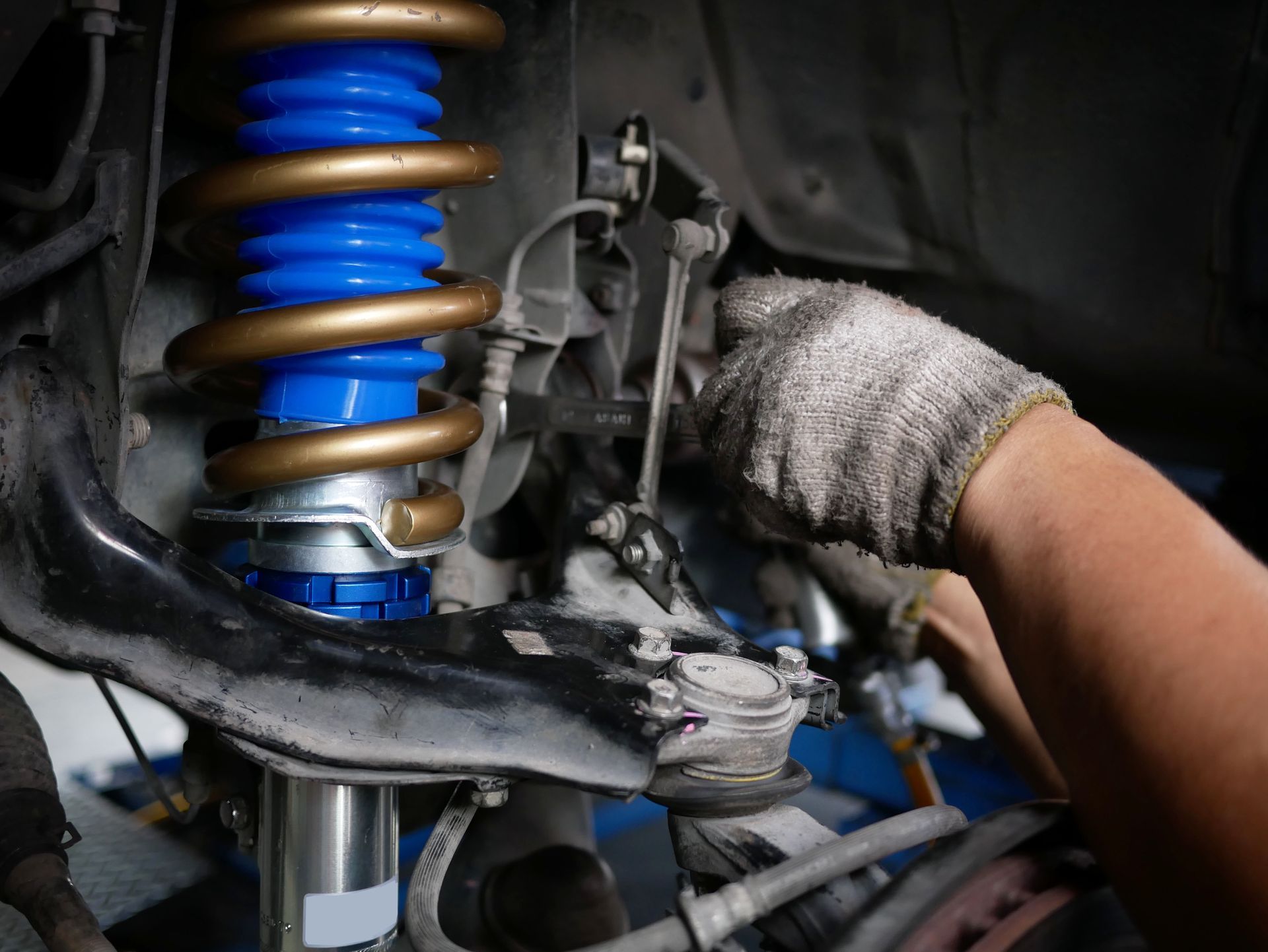
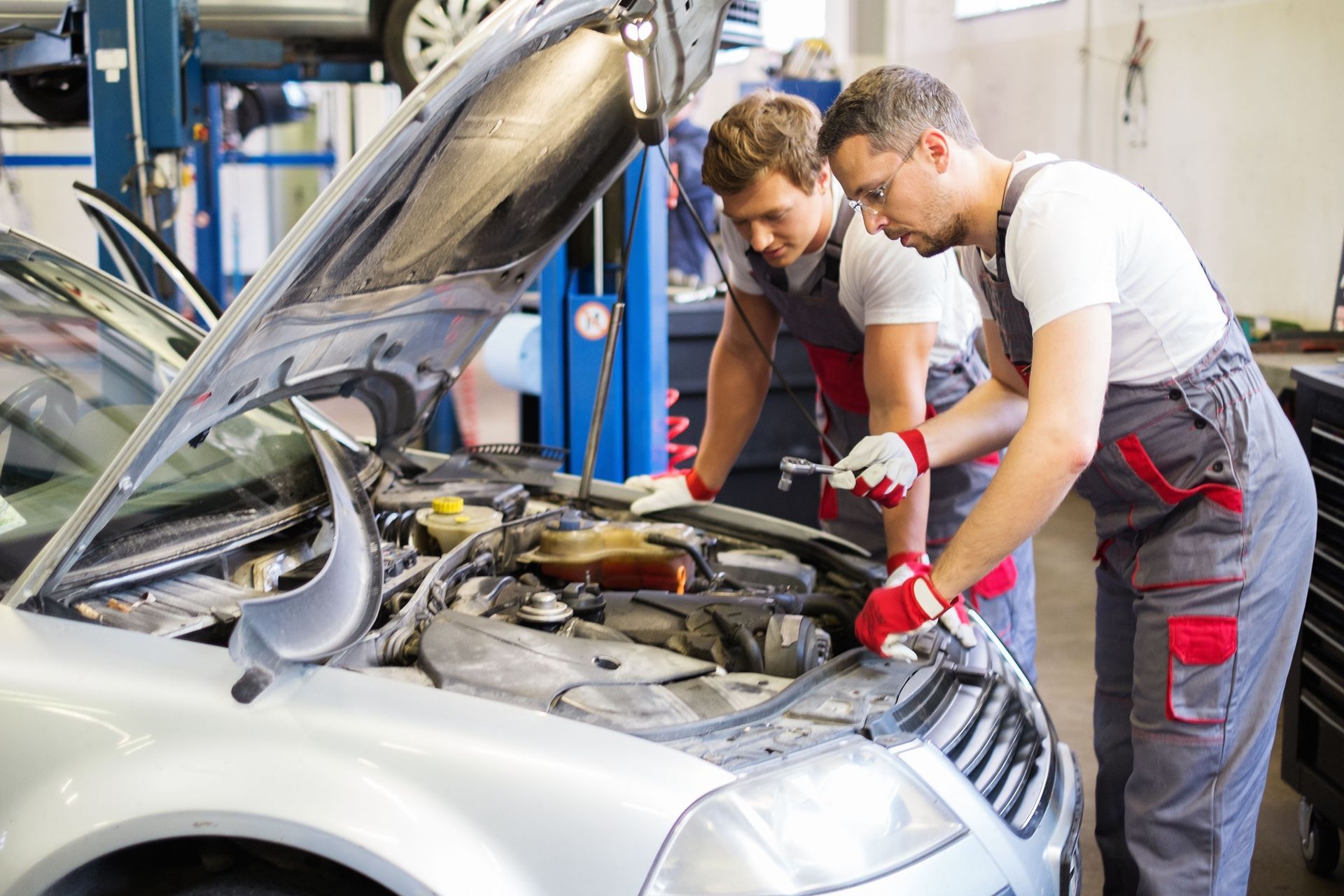
Every vehicle owner wants a dependable car that performs well, handles daily driving demands, and avoids unexpected breakdowns. While certain manufacturers have established strong reputations for reliability, even well-built vehicles require professional attention to maintain their performance. Regular maintenance helps protect important components, identify developing problems, and extend a vehicle's useful life. According to Consumer Affairs, the three car brands with the fewest service issues are Lexus, Toyota, and Buick. Although these manufacturers demonstrate strong reliability, their vehicles still benefit from consistent inspections and scheduled services. At TORC Motorsports, we understand that maintaining a vehicle involves more than addressing mechanical problems. Professional maintenance and thoughtful auto customization can help drivers preserve dependability while enhancing their vehicles' appearance, comfort, and performance. Understanding the Importance of Regular Vehicle Maintenance Following Manufacturer Maintenance Recommendations Every vehicle has specific maintenance requirements based on its manufacturer, model, engine, and driving conditions. Following these recommendations helps protect important components and reduces the likelihood of preventable mechanical problems. Manufacturer maintenance schedules typically include oil changes, fluid replacements, brake inspections, and other essential services. These recommendations establish a foundation for keeping vehicles operating properly throughout their lifespan. At TORC Motorsports, we encourage drivers to prioritize professional care when considering maintenance or vehicle enhancements. Combining appropriate service schedules with carefully planned auto customization helps preserve functionality while supporting individual driving preferences. Preventing Unexpected Mechanical Problems Preventive maintenance focuses on identifying potential concerns before they develop into serious mechanical failures. Professional inspections can reveal worn components, fluid leaks, deteriorating connections, and other conditions that may compromise reliability. Addressing these concerns early can reduce unexpected repair expenses and minimize disruptions to daily transportation. It also allows technicians to recommend appropriate solutions based on the vehicle's condition. Preventive maintenance becomes particularly important for vehicles that experience demanding driving conditions, frequent commuting, or increased mileage. Consistent professional attention supports dependable operation and provides greater confidence behind the wheel. Protecting Engine Performance and Longevity Maintaining Proper Engine Lubrication Engine oil plays an essential role in protecting internal components from friction, excessive heat, and premature wear. Over time, oil deteriorates and collects contaminants that can reduce its effectiveness. Professional oil changes help maintain appropriate lubrication and support consistent engine performance. Service intervals depend on the manufacturer's recommendations, operating conditions, and the type of oil required. Ignoring oil maintenance can contribute to sludge accumulation, overheating, and expensive internal damage. At TORC Motorsports, we recognize that dependable engine operation provides the foundation for a satisfying driving experience. For drivers interested in auto customization, maintaining engine health is especially important before considering modifications that could influence vehicle performance. Maintaining Proper Cooling System Operation The cooling system regulates engine temperature and helps prevent overheating during operation. Components such as radiators, thermostats, water pumps, and coolant hoses work together to maintain appropriate operating temperatures. Professional cooling system inspections can identify leaks, worn components, and deteriorating coolant before significant damage occurs. Overheating may lead to warped engine components, damaged seals, and substantial repair expenses. Addressing cooling system concerns promptly helps protect the engine and preserve vehicle reliability. Regular service also supports consistent performance during demanding conditions, including extended highway driving and hot weather. Preserving Brake System Safety and Performance Inspecting Brake Components Regularly A dependable braking system is essential for maintaining control and responding safely to changing road conditions. Brake pads, rotors, calipers, and hydraulic components experience wear through normal operation. Professional inspections help determine whether these components remain within acceptable operating specifications. Technicians can identify uneven wear, damaged parts, and other concerns requiring attention. Warning signs such as grinding noises, vibrations, or reduced braking responsiveness should receive prompt professional evaluation. When planning auto customization projects involving wheels or suspension components, proper brake clearance and compatibility are also important considerations. Maintaining Brake Fluid and Hydraulic Components Brake fluid transfers pressure through the braking system, allowing the vehicle to slow down effectively. Over time, moisture and contamination can affect fluid performance. Professional brake fluid testing and replacement help maintain hydraulic efficiency and protect internal components. Brake lines, hoses, and related connections also require attention because leaks or deterioration can compromise braking performance. At TORC Motorsports, we believe that vehicle enhancements should complement essential safety systems rather than interfere with their operation. Supporting Tire Performance and Vehicle Handling Maintaining Proper Tire Condition Tires directly influence traction, braking distances, ride comfort, and vehicle stability. Their condition is particularly important because they provide the connection between the vehicle and the road. Professional tire inspections can identify uneven tread wear, sidewall damage, improper inflation, and other conditions that may affect performance. Tire rotation, balancing, and alignment services can help promote even wear and maintain predictable handling. Drivers considering auto customization should also understand that changing wheel or tire dimensions may affect clearance, speedometer accuracy, and suspension behavior. Professional guidance helps ensure that selected components remain compatible with the vehicle. Maintaining Proper Suspension Alignment Suspension components help absorb road imperfections while supporting steering stability and passenger comfort. Worn shocks, struts, bushings, and other components can negatively affect vehicle handling. Professional inspections can reveal deterioration before it creates additional problems. Proper alignment is equally important because incorrect suspension geometry can cause uneven tire wear and steering difficulties. For vehicles receiving suspension modifications, careful planning and professional installation help maintain suitable handling characteristics. A balanced approach allows drivers to pursue their preferred appearance without unnecessarily compromising everyday drivability. Maintaining Electrical System Reliability Inspecting Batteries and Charging Systems Modern vehicles depend on electrical systems to operate everything from engine controls to entertainment features. A failing battery or charging component can create unexpected starting problems and electronic malfunctions. Professional battery testing helps determine whether the battery can reliably supply the power required for vehicle operation. Alternators, starters, and electrical connections also require attention because deterioration can affect charging performance. Electrical system reliability becomes especially important when auto customization includes additional lighting, audio equipment, or other accessories that increase electrical demand. Addressing Warning Lights and Electrical Concerns Dashboard warning lights provide important information about vehicle systems requiring attention. These indicators may relate to engine operation, braking systems, emissions equipment, or electronic components. Professional diagnostic equipment helps technicians investigate warning indicators and identify underlying problems. Simply clearing a warning light without correcting its cause does not resolve the mechanical or electrical concern. At TORC Motorsports, we encourage drivers to seek professional evaluation whenever unfamiliar warning indicators appear. Prompt attention can prevent relatively minor problems from becoming more complicated repairs. Enhancing Vehicles Without Compromising Reliability Choosing Compatible Vehicle Upgrades Personalizing a vehicle can improve its appearance, comfort, and overall driving experience. However, selecting appropriate components requires consideration of existing mechanical systems and manufacturer specifications. Professional auto customization helps drivers explore enhancements while accounting for compatibility, installation requirements, and intended vehicle use. Wheel upgrades, suspension changes, lighting enhancements, and other modifications should be evaluated individually to determine their potential effects on vehicle operation. Thoughtful planning helps avoid unnecessary complications and supports a more satisfying ownership experience. Prioritizing Professional Installation and Service Quality installation plays an important role in the long-term performance of aftermarket components. Incorrectly installed equipment can create electrical problems, premature wear, or interference with existing vehicle systems. Professional installation provides an opportunity to evaluate fitment, mounting requirements, and component compatibility before completing modifications. At TORC Motorsports, we believe successful auto customization should reflect each driver's preferences while respecting the vehicle's mechanical and safety requirements. Working with experienced professionals helps vehicle owners make informed decisions about enhancements that align with their goals. Keeping Your Vehicle Dependable With TORC Motorsports Reliable transportation requires ongoing attention, regardless of a vehicle's manufacturer or reputation. Routine inspections, appropriate maintenance, and timely professional service help protect essential systems and reduce the risk of unexpected problems. From engine performance and braking systems to tires and electrical components, every part contributes to the overall driving experience. Vehicle enhancements should also be approached carefully to preserve functionality and compatibility. At TORC Motorsports, we understand the importance of balancing personal style with dependable performance. Whether you're considering vehicle upgrades or exploring professional auto customization options, our team is ready to discuss your goals. Contact TORC Motorsports to learn more about creating a vehicle that reflects your preferences while keeping reliability a priority.
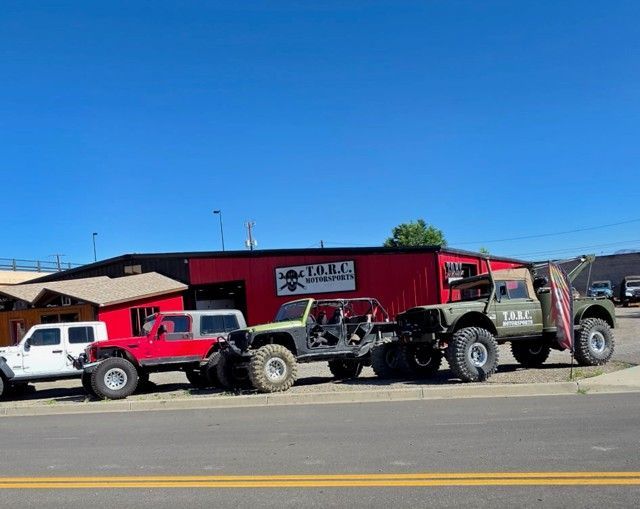
Explore the benefits of professional auto customization in Colorado, from improved vehicle performance and safety to reliable, personalized upgrades.

Are you considering investing in auto upgrades? Here are some of the most common benefits you can expect for your vehicle.

